


COVID-19 has truly been an unprecedented shock to almost every industry, and manufacturing is no exception. With unpredictable national lockdowns, shifting guidelines and shuttered factories across the world, many businesses are looking to secure, simplify and shorten their supply chains.
A recent survey taken by manufacturing trade body Make UK found that 46 per cent of surveyed companies are working to “bring manufacturing back home” by reducing the length and complexity of their supply chains. This is in light of COVID-19 paralysing international trade, along with other international trading pressures.
Despite the overall trend towards a service-based economy in the UK over recent decades, manufacturing has always been a massive contributor to the national economy. In 2019 alone, 17 pence out of every pound in the UK economy was generated in manufacturing industries.
Not made in the UK?
This refocus on national supply chains is a peculiar reversal of the international trend of moving manufacturing facilities to wherever in the world is most profitable. Examples include plastic products “made in China”, “American” cars constructed in Korea or the Philippines and the shifting of many UK industries, such as steel and ceramics, over to Asia throughout the late 20th century.
This is economically sensible under normal conditions while trade is flowing freely between countries and the businesses therein, but when disruptions happen and trade slows or even stops, everything else grinds to a halt as well. If your box of crucial equipment is stuck in transit halfway across the world, what are you supposed to do?
There are some approaches that can be taken, such as redesigning products to use available parts, closely working with both suppliers and customers to ascertain their future needs and maintaining local stockpiles. All fine approaches to take, but these steps are expensive and time-consuming to perform, hence why so many companies in the survey have taken the decision to refocus nationally.
As soon as possible
At EU Automation, we’re serendipitously ideally placed to provide solutions to the problems multinational supply chains face under disruptive conditions like quarantines, international trade battles, changes to trading relationships or any other supply-threatening episode.
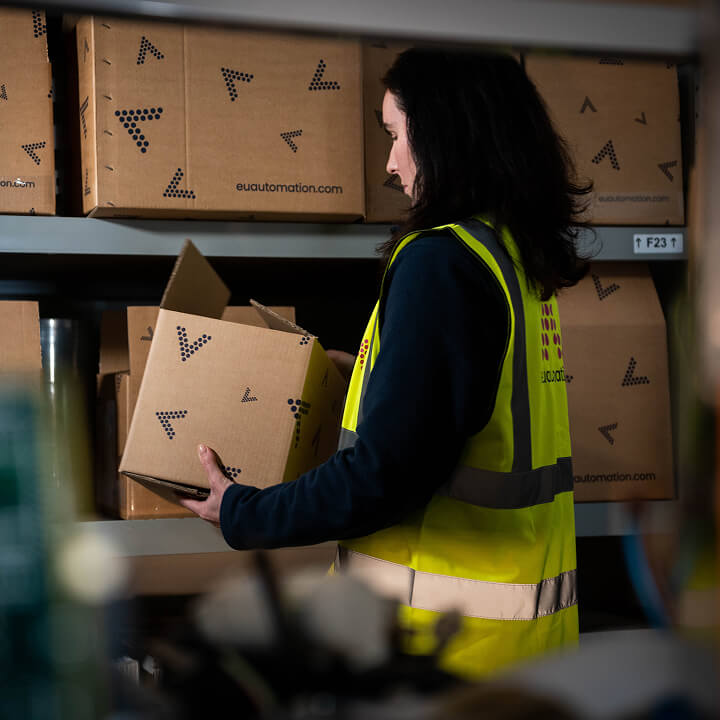
Instead of relying on long and tenuous international supply, EU Automation and similar organisations both stock and source many new, refurbished and obsolete parts ready to ship straight out to our customers at a moment’s notice.
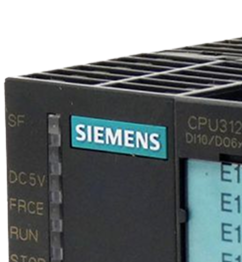
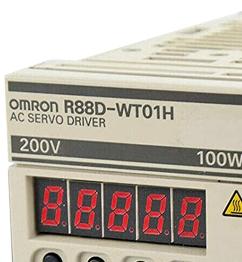
For instance, you may be using a particular drive to run a production line conveyor. If that drive fails unexpectedly, or even if the failure is predicted and part order placed well in advance, the lead times on parts coming from Asia to Europe could be days long even if the delivery goes smoothly. Any disruption can exacerbate the wait time dramatically.
Every second spent waiting is a second of wasted production time, and longer lead times for your downstream customers. This can quickly turn into a vicious circle where delays in replacing the crucial part lead to further delays for your customers’ projects, their customers’ projects, and so on. Suddenly a simple electric motor stuck in transit has caused hundreds of hours wasted time both up and down the supply chain.
Requiring parts as soon as possible is certainly nothing new in industry, but current and upcoming situations are certainly putting supply chains across the world under unprecedented stress. Are yours secure enough to cope?
Wondering whether EU Automation could simplify your supply chains and keep your production turning over even in trying times? Find out more at euautomation.com